 Skip to content

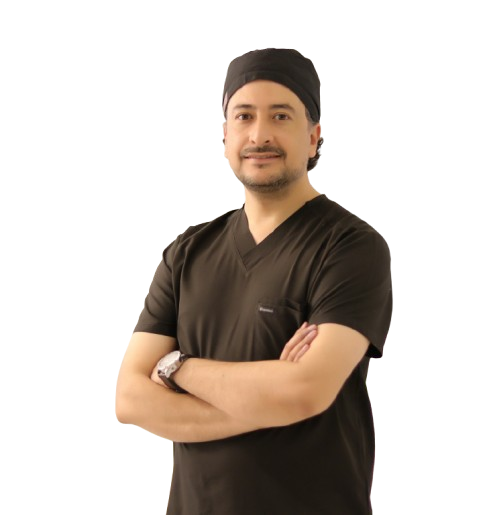


Quick Facts:
- Procedure type: Minimally invasive endovascular procedure
- Medical term: Endovascular Aneurysm Repair (EVAR)
- Primary purpose: Treat an abdominal aortic aneurysm and reduce the risk of rupture
- Treatment area: Abdominal aorta and affected blood vessels
- Approach: Catheter-based procedure through the groin
- Device used: Stent graft
- Anesthesia: General, regional, or other appropriate anesthesia depending on the case
- Recovery: Generally shorter than traditional open aneurysm repair, although individual recovery varies
- Candidate: Patients whose aneurysm anatomy and overall health make EVAR appropriate
- Specialist: Dr. Ramla
- Hospital: JJ Medics Hospital
Endovascular Aneurysm Repair in Islamabad:
JJ Medics Hospital’s Endovascular Aneurysm Repair (EVAR) is an alternative to traditional surgery that uses less invasive methods to repair some abdominal aortic aneurysms (AAAs). An aneurysm is a bulge or ballooning out of a weak area in the aorta. You might need it fixed if the aneurysm is beginning to expand or if there is a risk it could rupture. The EVAR treatment is delivered via a minimally invasive small access point, which can carefully route a small implant to overlap the weak section of the aorta and block it from the pressurised blood flow entering the bulge. For specialist and individualistic consultation on how your vascular condition can be managed, it would be best if you consult with Dr Ramla at JJ Medics Hospital, where you will receive personal recommendations suitable for your medical conditions based on an understanding of your health, your imaging results, aneurysm-specific measurements, and your general health.What is Endovascular Aneurysm Repair?
Endovascular aneurysm repair, also referred to as EVAR, is a medical technique specifically developed and widely performed in the management of abdominal aortic aneurysms that are suitable for this treatment strategy. In an EVAR, the surgeon works in the groin area at minimally invasive access points within a blood vessel. Through these points, they use small, flexible tubes and imaging from an X-ray (fluoroscopy) to carefully manipulate instruments along to the location of the aneurysm. Once at the aneurysm, the stent graft (a flexible, steel mesh tube covered in a fabric material) can be deployed into the aorta to bypass and bridge the weak area. The blood vessels have their flow redirected into the stent graft to prevent it from causing more pressure on the inside of the already bulged section, thus lowering the chances of it enlarging further or developing a rupture.EVAR can treat:
Certain select types of patients with abdominal aortic aneurysm may be able to be treated with the EVAR procedure if suitable based on an assessment of their anatomy.- Abdominal Aortic Aneurysm
- Enlarging Abdominal Aortic Aneurysm
- Abdominal Aortic Aneurysm at Risk of Rupture
- Select Abdominal Aortic Aneurysms based on their anatomical configurations
- Patients whose frailty or medical history renders them at potentially higher risk with traditional surgery, or those who prefer a less invasive option.
How is an Endovascular Aneurysm Repair Procedure Performed?
The technique of Endovascular Aneurysm Repair involves the use of what is referred to as a stent graft. A stent graft functions as a strong channel within the blood vessel, which is placed so as to bypass the area weakened by the aneurysm (the bulge). The blood, therefore, has to travel within this more reinforced section of the blood vessel rather than across the weaker area of the aneurysm itself. To accurately position the stent graft into the required place within the vessel, the procedure requires dynamic guidance in the form of live fluoroscopy, which is a series of real-time X-rays displayed on a monitor.Who could benefit from an Endovascular Aneurysm Repair?
Not all aneurysms require treatment straight away. Smaller, slowly growing aneurysms are frequently just closely monitored using X-rays or a range of ultrasound techniques over time. Should the aneurysm grow to a certain size and shape, surgical correction may become indicated, and an EVAR may be attempted if the aneurysm’s anatomy is suitable, allowing it to be stented correctly. An individual's suitability for an EVAR will depend upon the following:- Size of aneurysm
- Rate of aneurysm expansion
- Exact site of aneurysm along the aorta
- Aneurysm anatomy (detailed description of its shape and contours)
- Surrounding anatomy of blood vessels
- Your general health status
- Previous cardiovascular treatment
Necessary Pre-Operative EVAR Investigation Protocols
To accurately understand your condition before carrying out the Endovascular Aneurysm Repair (EVAR), your vascular surgeon will arrange a variety of investigative procedures. These may include:CT Angiography:
A CT scan that provides cross-sectional, high-resolution, 3-D images of all of the aorta and blood vessels leading away from it, enabling definition of the size, length and contours of your aneurysm. This method also helps assess the suitability of the aneurysm for EVAR implantation of a stent graft.Ultrasound:
A highly beneficial non-invasive test primarily for measuring your aneurysm size and monitoring its expansion. It can be a very detailed image-based test depending on how well you can tolerate it or any surgical alterations from past procedures.Blood tests:
To ascertain fitness for the procedure and/or general anesthesia and confirm there are no adverse risk factors or reactions that would make the procedure unsafe.ECG:
To check your heart rhythm.Angiography:
A much more invasive technique that can be used if required by the clinician to outline blood flow by means of injection of contrast. It is used in the case where some imaging techniques are deemed not to have completely defined a problem.Further Cardiovascular Investigations:
Any other such examinations deemed appropriate following individual assessment.What happens during the Endovascular Aneurysm Repair?
During the run-up period for an EVAR, your clinical team will:- Consider your medical history, including any Allergies that you may have.
- Take into account every one of the regular medications that you are taking
- Take a full view of the relevant medical images and clinical records.
- Assess and establish which form of anesthesia you will require
Advantages of EVAR over traditional Open Surgery:
The EVAR approach can offer substantial benefits when compared with a procedure for Abdominal Aortic Aneurysm that requires open surgery.Minimally invasive:
Rather than major open surgery, EVAR only utilizes small access sites that can potentially be healed in a minimally invasive manner.Reduced surgical stress:
The abdomen remains essentially undisturbed. Disruption to organs and muscles is minimized, resulting in less harm to the body than the open alternative.Accelerated recuperation:
A patient recovering from an EVAR may enjoy a speedier recovery and potentially experience less pain compared to one who undergoes open surgery of the same nature, enabling a quicker return to previous levels of activity.Protection of the aortic wall:
The EVAR stent graft ensures that a weaker section of the artery is no longer exposed to blood flow at systemic arterial pressure, thereby preventing it from expanding or bursting.Small incision sizes:
Minimal trauma leads to less scarring and a quicker recovery process. Is EVAR safe? EVAR has been in use as a treatment modality, but as with any vascular procedure, it is associated with potential risks; this will vary in individuals depending on their medical condition and the characteristics of their aneurysm.Potential risks and complications of EVAR:
Though relatively minimally invasive, complications that can occur with EVAR include;- Bleeding
- Bruising/ hematoma at the groin's entry site
- Blood-vessel injury
- Infection
- Blood clots
- Low blood flow to legs or abdominal organs
- Complications relating to the kidneys
- Movement and/or malfunction of the stent graft
- Endoleak
- Reactions to anaesthetics and/or the contrast agent
- Need for secondary procedure
- Conversion to open surgery in certain situations
After Endovascular Aneurysm Repair?
You may experience some;- Groin ache
- Bruising
- Slight swelling
- Tiredness
- Transient discomfort
When to Seek Urgent Medical Attention:
Your aortic aneurysm may become life-threatening if it bursts.- Sudden and severe abdominal pain
- Back
- flank, or groin pain can constitute an emergency situation.
- Collapse
- weakness and abdominal
- back or groin pain
The Best Surgeon for EVAR in Islamabad:
When you consider treatment of an aortic aneurysm by EVAR, your surgeon's choice is of vital importance. Dr Ramla, specialist vascular surgeon at JJ Medics Hospital Islamabad/Rawalpindi, offers specialist consultation and individualised treatment planning for patients requiring vascular assessment and vascular management of aneurysms. She closely assesses a patient's individual imaging results, anatomical information and their personal medical condition before developing the optimal management strategy and informing the individual of whether a treatment such as open surgery, surveillance or an Endovascular repair is the most suitable in their individual situation.Why should you choose JJ Medics Hospital for EVAR in Islamabad/Pakistan:
At JJ Medics Hospital, patients receive the highest standards of:- comprehensive assessment
- specialised individualised treatment planning
- appropriate post-procedural monitoring
- Follow-up All of which are crucial elements of Endovascular Aneurysm Repair care.
The cost of EVAR in Islamabad:
Endovascular Aneurysm Repair (EVAR) treatment in Islamabad typically costs between PKR 250,000 and PKR 1,000,000+, but the total cost of Endovascular Aneurysm Repair varies significantly for individual patients; this is dependent on;- a patient's aneurysm characteristics
- length and size of stent graft required
- imaging costs
- hospital and theatre charge
- specialist anaesthetic fees
- length of hospital stay
- subsequent requirements with regard to follow-up and additional investigation.