 Skip to content



Quick Facts:
- Procedure type: Vascular bypass surgery
- Purpose: Restore blood flow around a narrowed or blocked blood vessel
- Treatment area: Commonly, the legs and other affected peripheral arteries
- Common reason: Peripheral artery disease and severe arterial blockage
- Graft: A healthy blood vessel or synthetic graft may be used
- Anesthesia: General, regional, or another suitable form depending on the procedure
- Recovery: Varies according to the type and complexity of surgery
- Candidate: Patients with significant arterial blockage who are medically suitable for bypass surgery
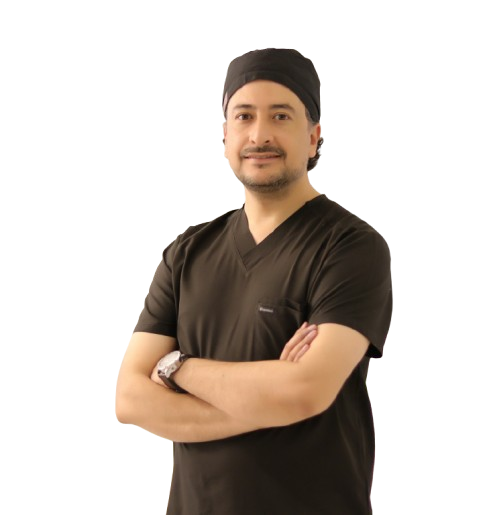
- Specialist: Dr. Ramla
- Hospital: JJ Medics Hospital
Vascular Bypass Surgery in Islamabad:
Vascular Bypass Surgery in Islamabad is a procedure for reconnecting an artery that has become significantly blocked or narrowed. An alternative route is created that blood will take around the blockage, normally for peripheral arterial disease affecting the legs. The vascular assessment of a patient being treated by Dr Ramla of JJ Medics Hospital will cover their symptoms, circulation, and imaging to evaluate vascular bypass surgery as an appropriate treatment plan. The treatment option is then dependent upon the severity and position of the blockage and the specific arterial problem.What is Vascular Bypass Surgery?
Vascular bypass surgery is an operation that reroutes blood flow around a blockage by creating a new route around a blocked or narrowed artery. During vascular bypass surgery, the bypass carries blood. It may have been taken from the same person at a different position on the vein or artery used as the graft. If there is another source, the substitute artery used may be artificial.Vascular Bypass Surgery may help:
- Improve blood circulation
- Reduce ischemic pain and leg pain
- Support circulation-related wound healing
- Improve blood flow to an affected limb
- Prevent critical limb ischemia from serious arterial complications
What causes arterial blockage?
Arteries may become narrowed or blocked by blood disorders, blood diseases, or lifestyle-related factors such as:- Peripheral arterial disease
- Atherosclerosis
- Smoking
- Diabetes
- High blood pressure and cholesterol
- Family history of similar illness
- Getting older
- Past vascular problems
Who is considered a potential recipient of vascular bypass surgery?
Vascular bypass surgery can be used for any patient having significant narrowing of arterial pathways that compromises their limbs or health as a consequence of reduced circulation.Candidates include;
- Suffering from pain when walking at all distances
- Rest pain that has become progressively worse.
- Having poor circulation in the legs or feet
- Have tissue wounds or ulcers that fail to heal.
- A significant level of arterial blockage is noted
- Tissue injury due to blood deficiency
- medication
- lifestyle changes
- angioplasty.
Tests required to perform vascular bypass surgery:
A full vascular assessment must be carried out, and this may include:- Ultrasound of arteries
- CT angiography of arteries
- MR angiography of arteries
- Blood tests and tests, including those required for an ECG
- Vein mapping to find potential arterial graft donor vessels and identify where within your body to put the graft.
- Further tests may be required related to vascular, heart, and general circulation functions.
Types of vascular bypass surgery in Islamabad:
The common vascular bypass surgeries may include:- Femoral-Popliteal Bypass
- Aorto-Bifemoral Bypass
- Femoral-Femoral Bypass
- Axillo-Femoral Bypass
- Other Peripheral Arterial Bypass Surgery Procedures
1. Femoral-Popliteal Bypass:
This type is prescribed if you have a severely blocked segment between the main artery of your groin, the femoral, and the popliteal artery in your leg located at the knee. An artery transplant may reroute the blood through a healthy artery substitute that will re-establish a stronger blood supply reaching your lower leg.2. Aorto-Bifemoral Bypass:
The major artery reaching your legs, the abdominal aorta, may be blocked along a length; a major arterial graft will be inserted from the aorta downward and divided into two so as to maintain an equal blood supply to each leg from this main artery.3. Femoral-Femoral Bypass:
Where only one of your legs is suffering serious arterial blockages. This operation will take blood from the femoral artery of your good leg and transplant it via a blood substitute transplant to your leg and artery that has been blocked.4. Axillo-Femoral Bypass:
This sort of artery bypass is typically employed when blood supply has been seriously restricted across arteries located at a position that could only be treated using this artery bypass. Blood will enter the thigh and femoral arteries from the shoulder artery instead.What happens when you undergo an avascular bypass surgery?
- Before you are operated on, your vascular specialist will check your scans, medication requirements, and your health.
- Your blood will be transplanted from an arterial point that you do not need, so that the flow will benefit the blockage and blood will not flow so widely through the artery.
- Anesthesia will be administered as and when you are at your most prepared, and your blood flow will be rerouted through the new artificial artery, which will have blood going across the blockage on both ends of where the blood flow was blocked or slowed.
- Once this procedure is carried out, the block will have been bypassed, and the blood will no longer suffer from the effects.
- Your stitches are put back, and if everything has worked, they should take between one and 7 days of mending to make completely certain and get rid of them.
- You shall recover, however, after the blood begins flowing easily, and the blood and muscle damage from ischemia, which had occurred, will reverse itself or begin healing.
- The actual process will vary depending on where your blood flow blockage is located and exactly what it will entail for the vascular surgeon to perform a successful artery bypass operation.
What do I expect after I have had a vascular bypass surgery?
After your operation has successfully finished, you shall be watched carefully to ensure that there are no problems with the new blood route. You shall have a look at that and your skin where it may be cut for access. The symptoms that you may experience are pain or swelling in the area, or even numbness and tiredness. Your blood will probably move naturally around, but as you recover, it might be said that you should try to move around. Walking should eventually return to normal. Individual recovery varies, but certain people have stated that after surgery has completed recovery may be within weeks to weeks, depending on the condition of where blood was redirected.How long will it take to recover?
Recovery times will differ depending on which type of bypass procedure is carried out, as well as your overall health. Many people require several weeks to return to their usual activities, with full recovery taking longer.Can a vascular bypass surgery help with leg pain?
When leg pain is due to a lack of arterial circulation, a bypass can help to improve this and should relieve symptoms in well-selected patients.Benefits of Vascular Bypass Surgery:
Potential benefits of a successful vascular bypass surgery include: Improves blood flow- Relief from pain related to circulatory conditions
- Supports wound healing (where the wound is suffering from circulation problems and bypass is warranted)
- Better limb circulation
- Preservation of limb
- Potential risks and complications
- Potential risks and complications include:
- Bleeding
- Infection
- Blood clots
- Graft blockage
- Graft failure
- Poor wound healing
- Swelling
- Cardiac complications
- Stroke
- Kidney problems
- Requirement for further surgery
The best vascular bypass surgery surgeon in Islamabad, Pakistan:
Care needs to be taken when selecting the best surgeon for a vascular bypass surgery in Islamabad for specific conditions.- Your own vascular problem
- anatomy of the vessel at hand
- surgical procedure to be performed
- Post-operative care.
Choose our specialist surgeon at JJ Medics Hospital Islamabad/Rawalpindi:
Dr Ramla is the vascular specialist surgeon at JJ Medics Hospital. She will individually assess your particular vascular problem and make a specific treatment plan for any required vascular intervention required by you, with regard to your own individual vascular problem. She will decide if bypass surgery is the correct procedure based on symptoms, imaging, blocked arteries, overall condition, as well as suitability for the operation, and make the necessary decisions with you. The doctor will not use the same technique for everyone.Cost of vascular bypass surgery in Islamabad:
The cost of vascular or arterial bypass surgery in Islamabad generally ranges from PKR 350,000 to PKR 1,200,000, but the Charges for a bypass surgery may vary based on the following components;- required type for the bypass procedure
- anatomical location of block arteries
- surgical difficulty
- graft used
- It may vary from biological, synthetic, or autologous veins
- imaging and tests performed
- anesthesia used
- hospital stay in the ward
- subsequent visits to your specialist surgeon
- All add up and make the cost dynamic.